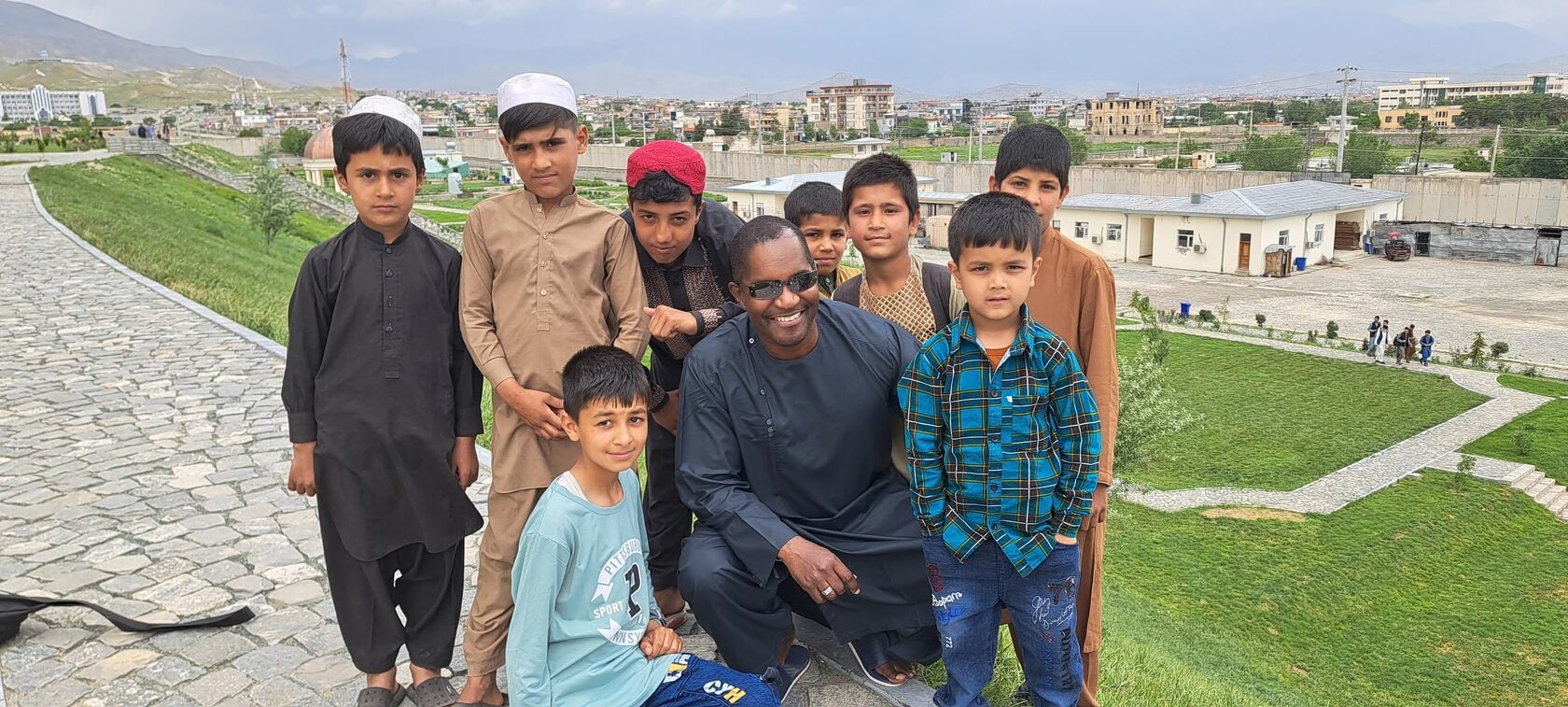
Member Spotlight: Dillon De Coteau
The First Person from Trinidad & Tobago to Visit All 193 UN Countries
Getting Started
1. What first sparked your dream of visiting every country in the world?
As an enthusiastic collector of airline points (mostly through credit card application bonuses and strategic credit card spending), I had accumulated almost 1 million Air Canada Aeroplan miles by 2010. That was when I made the decision to use the miles to book a solo business class multi-country trip to Hong Kong, Thailand, China, Japan, Australia and New Zealand. I enjoyed the experience so much, that before it was even over, I had already started planning and booking my next 10-country adventure. That soon grew into several multi-country trips every year. As the list of destinations kept expanding, I eventually challenged myself to visit every country in the world. At that time there were only a handful of people in the world who had accomplished this, and I felt inspired to become one of them.
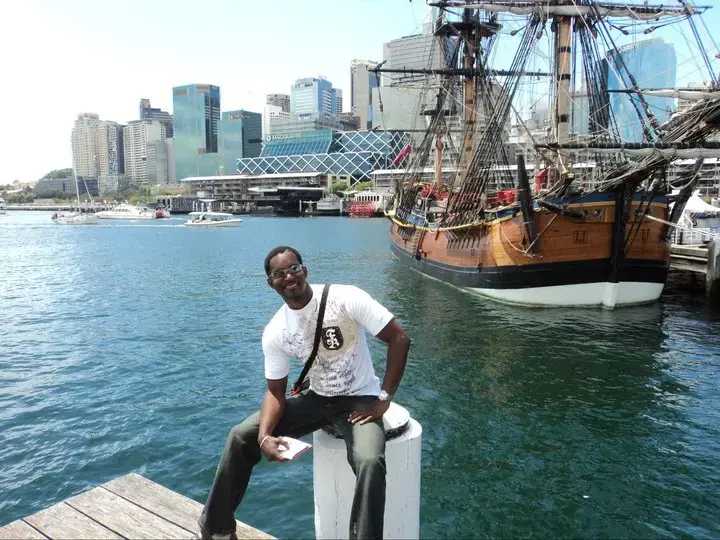
Sydney Harbour, Sydney, Australia (2010).
2. When you began your travels in 2010, did you imagine it would lead to this milestone?
When I began my travels in 2010, it was simply a way for me to use my airline points and see a few countries along the way. I never imagined that it would have led to me visiting all 193 UN countries.
The Journey
3. Were there any moments when the goal felt out of reach? How did you stay motivated?
The COVID-19 pandemic years were the toughest for me. It was difficult transitioning from 3 multi-country trips every year to being stuck at home, since many of the countries that were still left on my list were completely closed for several years, or the entry and exit requirements during that period made it impossible to plan multi-country itineraries. I felt that my goal was possibly out of reach.
However, given my “travel addiction”, in order to motivate myself during this period, I revisited places like Mexico where there were no entry or exit restrictions. This kept my love for travel alive.
4. Of the 193 countries, is there one that holds a special place in your heart and why?
I am asked this question all the time, and it is still a difficult question for me to answer. Picking one country out of 193 is difficult because different countries stand out for different reasons. However, I would say that my top 3 countries are maybe Andorra (stunning mountain scenery), San Marino (medieval walled country high up in the mountains) and Azerbaijan (nice mixture of modern architecture and medieval).
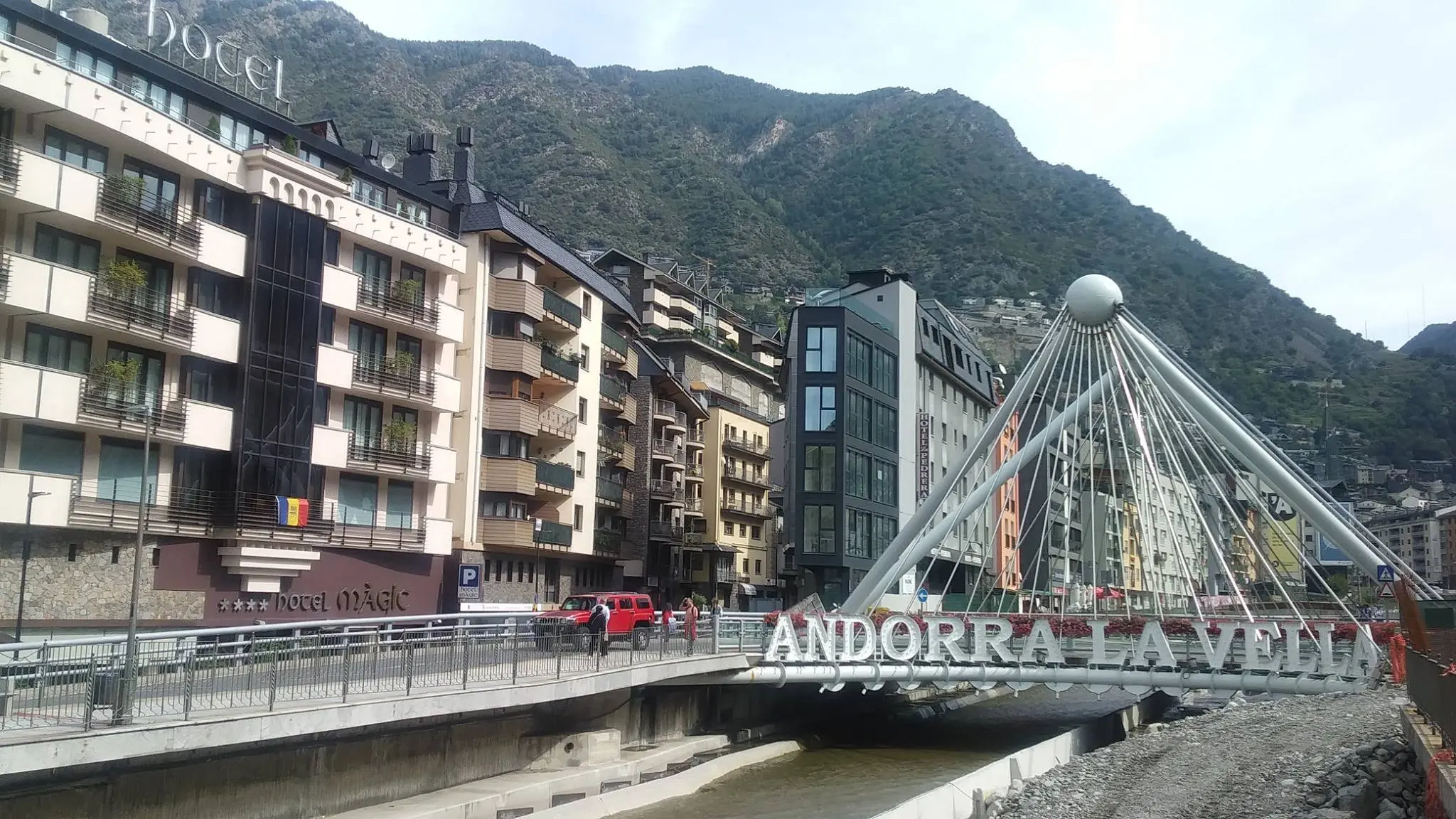
Andorra la Vella, Andorra (2018).
5. Were there destinations that surprised you, challenged you, or changed your perspective in unexpected ways?
Although Andorra and San Marino are two of the smallest European UN countries and many people have never even heard of them, they surprisingly turned out to be two of my favourite destinations.
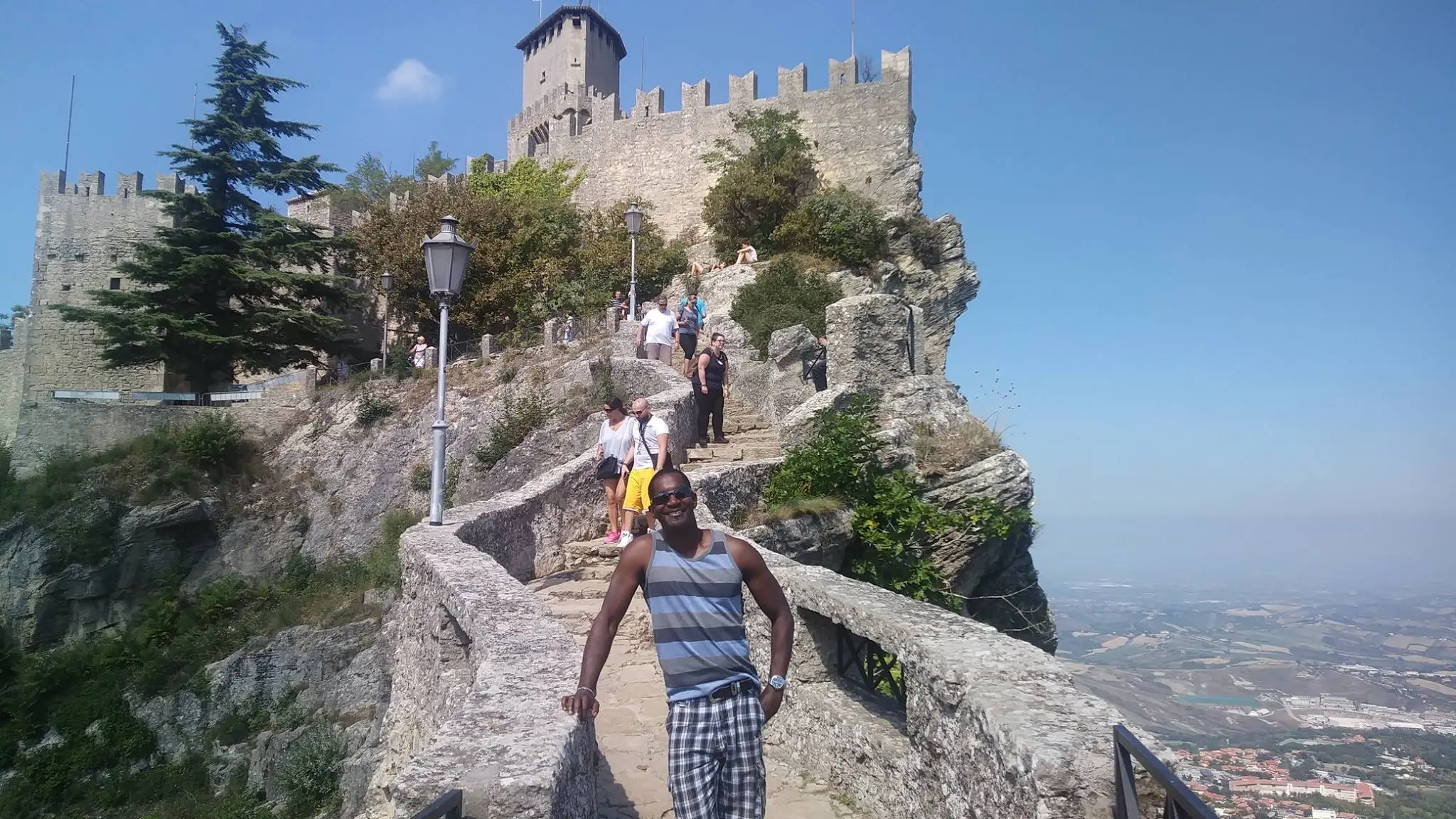
San Marino Città, San Marino (2018).
The continent that challenged me the most was Africa. The bureaucracy involved in securing visas and the occasional pressure to pay bribes, were discouraging at times. In one country for example, two soldiers confiscated my passport and phone after falsely accusing me of taking photos in a restricted area. They even threatened to throw me in jail. Not being able to speak French made it more difficult to stand my ground. However, I already knew that these kinds of “shake downs” were common in parts of Africa, hence the reason why I usually carry around only a small amount of cash when sightseeing in those countries. In the end, when I offered the $10 USD I had on me, they returned my passport and phone and allowed me to leave. I even tried offering a few dollars of their local currency, but they refused as they only wanted U.S. dollars.
However, it is important to note that the ordinary people in these countries are incredibly kind. It is usually individuals in positions of authority who tend to engage in these “shake downs.” On several occasions I had to pay to enter the country because the immigration officer insisted on unnecessary documents, even though I already had the proper visa in my passport from an embassy. It came down to either paying or being denied entry.
Another challenge I faced in Africa was connected to the ongoing civil war in Sudan, which became my final UN country when I visited in April 2025. I had been forced to wait two years for a relatively “safe” region of the country to reopen to visitors and for visas to be issued again. Less than a month after my visit, the city I had travelled through was targeted with drone strikes for the first time.
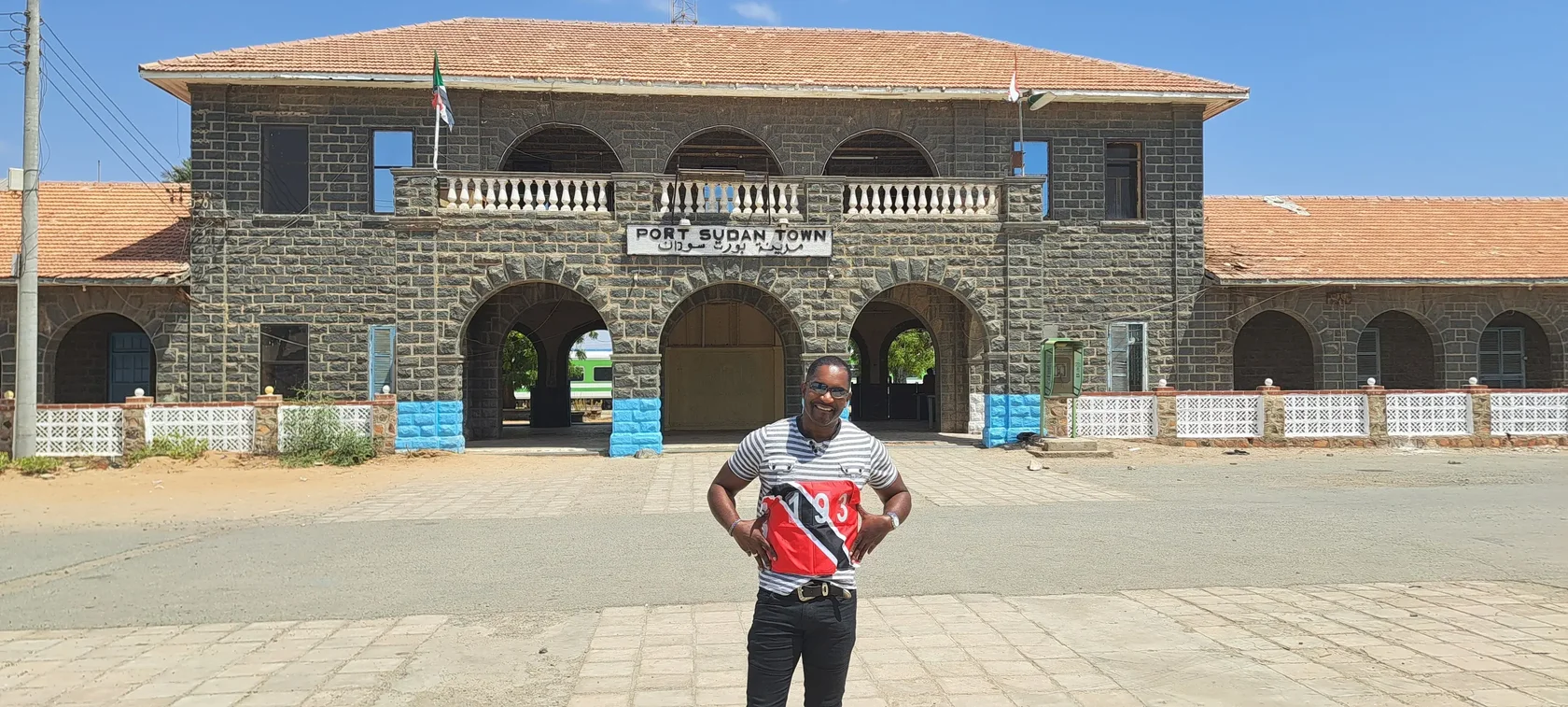
Port Sudan, Sudan (2025).
The countries that changed my perspective the most were the ones classified by mainstream media or government travel advisories as dangerous or “avoid all travel.” Ironically, some of my most memorable experiences have been in places like Afghanistan and Iraq, which are often labelled as unsafe for tourists. I met some of the warmest, most welcoming people there, as well as in the “Stan” countries (Kazakhstan, Kyrgyzstan, Pakistan, Tajikistan, Turkmenistan, and Uzbekistan). The locals went out of their way to greet me, and many even lined up to take photos with me. I felt like a mini celebrity in those countries. In Afghanistan, I had to politely decline several invitations to join families for lunch during their daily picnics in the parks. Even members of the Taliban greeted me warmly, thanked me for visiting and posed for photos with me. By dressing in their local attire during my visit, I tried to demonstrate respect for their culture.
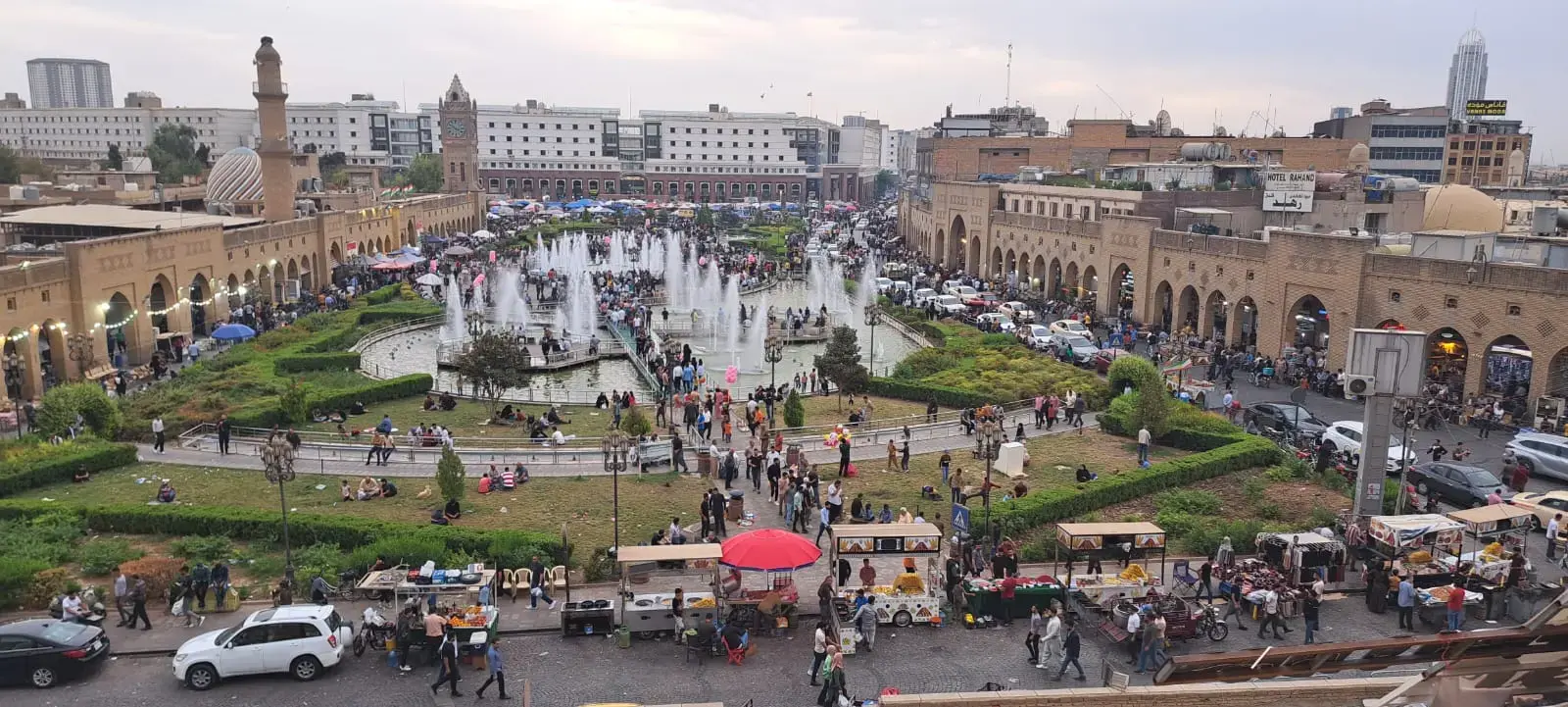
Erbil, Iraq (2022).
6. Which country sparks the most curiosity when you talk about your travels?
I actually get the most questions about North Korea. Even though it is a UN country, its isolation makes people extremely curious. Whenever people find out I’ve travelled widely, they immediately ask whether I’ve been there, how is life inside the country and whether the reality matches what we see in documentaries or news reports. The reclusiveness, strict borders, and limited information makes North Korea the place people are consistently the most fascinated by.
I actually get the most questions about North Korea. Even though it is a UN country, its isolation makes people extremely curious. Whenever people find out I’ve travelled widely, they immediately ask whether I’ve been there, how is life inside the country and whether the reality matches what we see in documentaries or news reports. The reclusiveness, strict borders, and limited information makes North Korea the place people are consistently the most fascinated by.

Pyongyang, North Korea (2016).
Reflections on Travel and Connection
7. What’s one thing you’ve learned about people or cultures through your travels that has stayed with you?
I would say that my travels have taught me to always experience things for myself and don’t let preconceived notions of people or cultures deter me from visiting a country.
8. How has seeing so much of the world influenced the way you see home and your connection to Trinidad & Tobago and Canada?
Having emigrated from Trinidad & Tobago to Canada over 37 years ago, I felt more Canadian than Trinidadian (although I still have a Trinidadian accent). However, the people of Trinidad & Tobago immediately embraced me as one of their own despite the fact that I left there so long ago. This has enhanced my connection to Trinidad & Tobago.
Travelling the world has made me even more aware of how fortunate I am to live in Canada and to have the opportunities needed to pursue my goals. The people I met in poorer countries were often fascinated that I was able to see so much of the world, as many of them had never left their hometowns or been on a plane. I learned that many earn annually what the average Canadian earns in a single month. I would often ask them which country they would choose if they had the chance to migrate anywhere in the world. For most of them, the answer was the same: Canada.
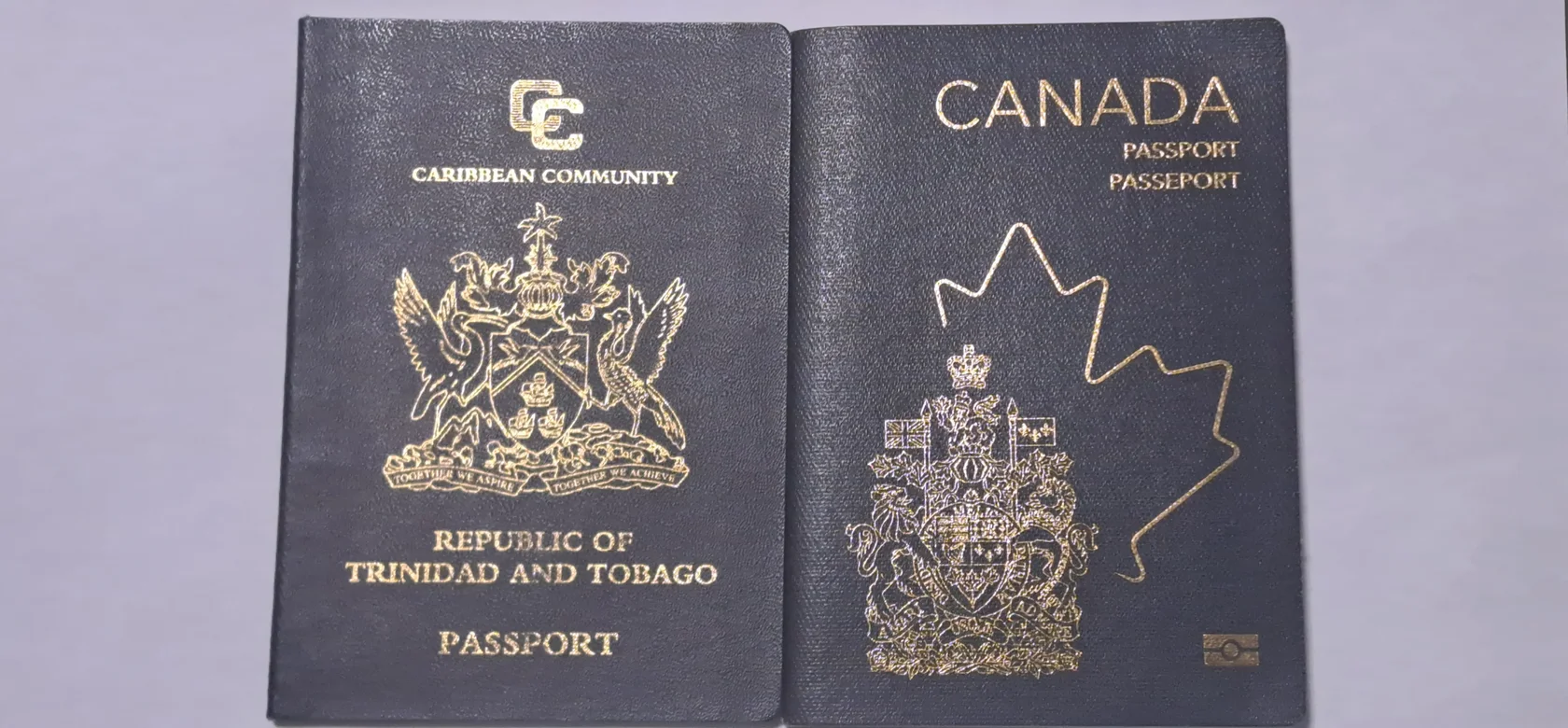
Having both Trinidad & Tobago and Canadian passports proved extremely useful throughout my travels. While the Canadian passport is recognized as one of the strongest in the world, the Trinidad & Tobago passport often came in handy in destinations where Canadians required a visa but Trinidadians enjoyed visa-free access. Each passport has its strengths, and that practical balance reflects my genuine connection to both countries.
9. Your story went viral in Trinidad & Tobago. What did that moment mean to you personally?
I was very surprised by the reaction from the people in Trinidad & Tobago to my achievement, given that I left there so long ago. I received thousands of likes and messages of support and congratulations on Facebook, and was interviewed by a couple of national newspapers and a television station. I had pursued my goal of visiting every country in the world (based on the 193 UN countries) as a personal challenge. Little did I realize that it would become something much bigger, representing not just myself but an entire nation, as the first person of Trinidad & Tobago origin and the second person of Caribbean descent to accomplish this milestone.
During an interview, the reporter shared that Trinidad & Tobago had been facing heavy political unrest and a surge in crime. Amid all of that, she said my accomplishment stood out as a piece of good news people genuinely needed in that moment, something uplifting amid the negativity. Knowing that my achievement could bring even a moment of positivity to Trinidad & Tobago meant the world to me.
Life & Work
10. You’ve been with Financial Services Regulatory Authority of Ontario (FSRA) formerly Financial Services Commission of Ontario (FSCO) for more than 22 years. How have your travels influenced your outlook at work or your approach to life in general?
Travel is a great way for me to unwind and recharge after long hours of work. I also enjoy planning and putting together complex itineraries—it’s part of the fun for me.
Travelling has also taught me to adapt to unexpected situations, such as flight delays and cancellations that create a domino effect on a multi-country itinerary, or arriving at a hotel on New Year’s Eve only to find that they can’t locate my reservation and have no rooms available. Although discouraging at the time, these moments have become priceless memories that I’ll never forget.
In a similar way, working in a pension regulatory environment at FSRA where legislative requirements are constantly evolving, my job has benefited from the adaptability I’ve gained through travel. It has sharpened my ability to formulate quick, practical solutions in response to changing circumstances.
I take the same approach in my day-to-day life as well: if life gives me lemons, I try to make lemonade.
11. What parallels do you see between the values of public service and what you’ve learned through travel?
Travel has taught me values that are similar to the core values of public service. One example is being prepared to adapt to unforeseen circumstances. When travelling, unexpected situations such as delays, cancellations, or logistical challenges require quick, practical decisions. In public service, especially in a regulatory environment, circumstances and requirements are constantly evolving, and being able to respond thoughtfully and efficiently is essential.
Another similarity is empathy. Meeting people from different cultures and seeing so much poverty in some countries has deepened my understanding of how different people’s experiences and economic situations can be. I believe that this aligns with the public-service value of serving stakeholders with fairness, respect, and an awareness of their differing needs.
12. What advice would you give to other Applaud members who dream of exploring more of the world, even while working full-time? How did you make it happen?
My advice is to ensure that they make use of their vacation time as much as possible. Also, for those with limited vacation time, planning trips to incorporate long weekends or compressed work week time off (if offered) can maximize their vacation time.
Having been employed at FSRA for over 22 years, I accrued a lot of vacation time. So in conjunction with the use of long weekends and compressed work week time-off, I split my vacation into three times a year (Easter, September and Christmas) and visited as many countries as possible during those time frames that were within the same area geographically. My approach to travelling may not appeal to everyone. My trips are usually very fast-paced and may not be suitable for people who like to take things slower. Travel at your own pace.
Also, collecting and redeeming airline frequent-flyer points is an excellent way to make travel more affordable. By taking advantage of loyalty programmes, promotional fares, credit-card partnerships, and strategic routing, you can often book flights for a fraction of the usual cost. This strategy allowed me to fly business class on most of my trips without breaking the bank.
What’s Next
13. Now that you’ve visited every UN country, what’s next on your list?
Having been bitten by the travel bug, next on my list is to continue visiting the non-UN countries and territories. I have already visited 27 non-UN countries and territories to date. My most recent non-UN multi-country trip was to the Cayman Islands, Bermuda, the US Virgin Islands, and the British Virgin Islands, with plans to visit Scotland, Wales, and Northern Ireland in early 2026.
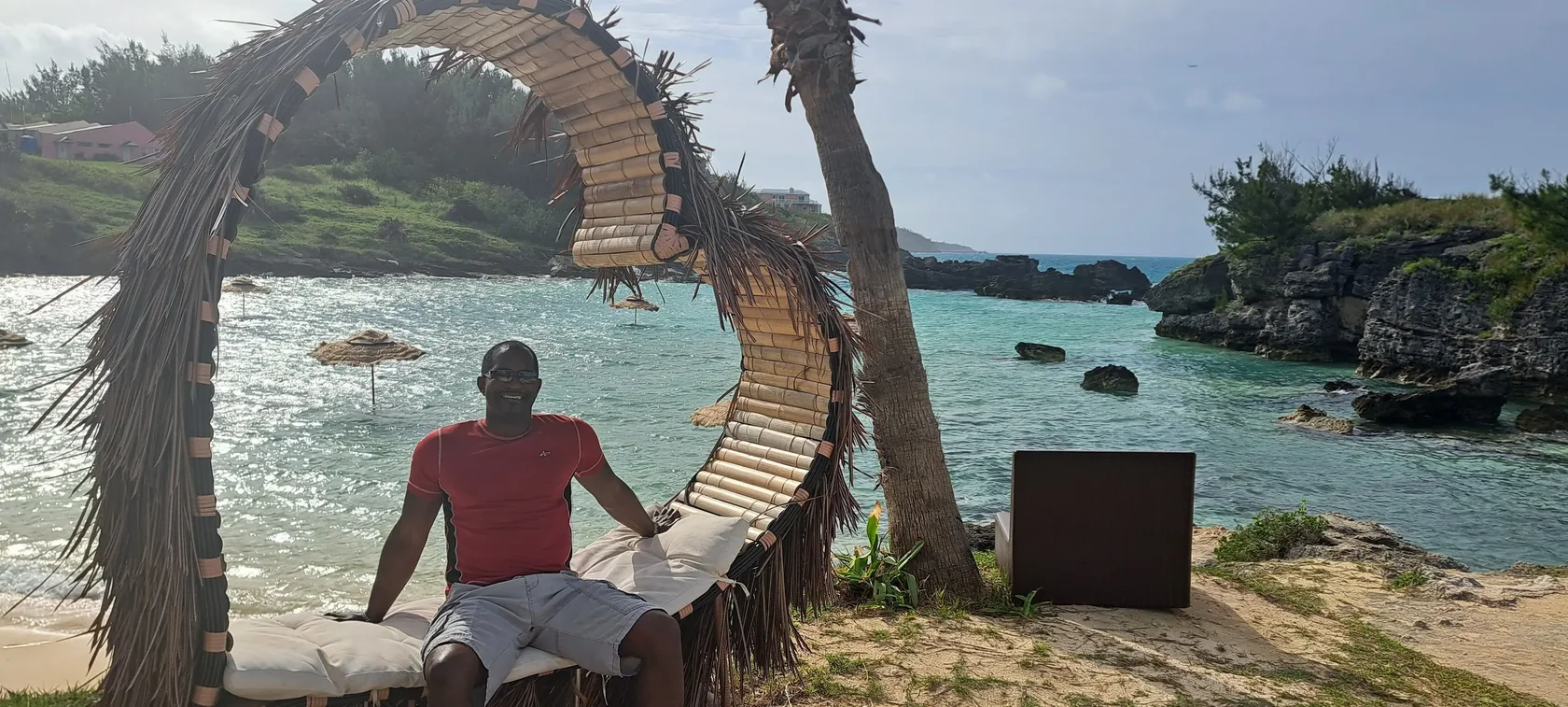
St George's, Bermuda (2025).
I also plan to revisit some of my favourite countries to gain a fuller appreciation of everything they have to offer, especially since my first visit was often a whirlwind experience. For example, I recently returned to Iceland because of its many diverse landscapes and natural attractions, and the second visit allowed me to explore the country at a much deeper and more relaxed pace. I will also be revisiting Poland and Azerbaijan in early 2026.
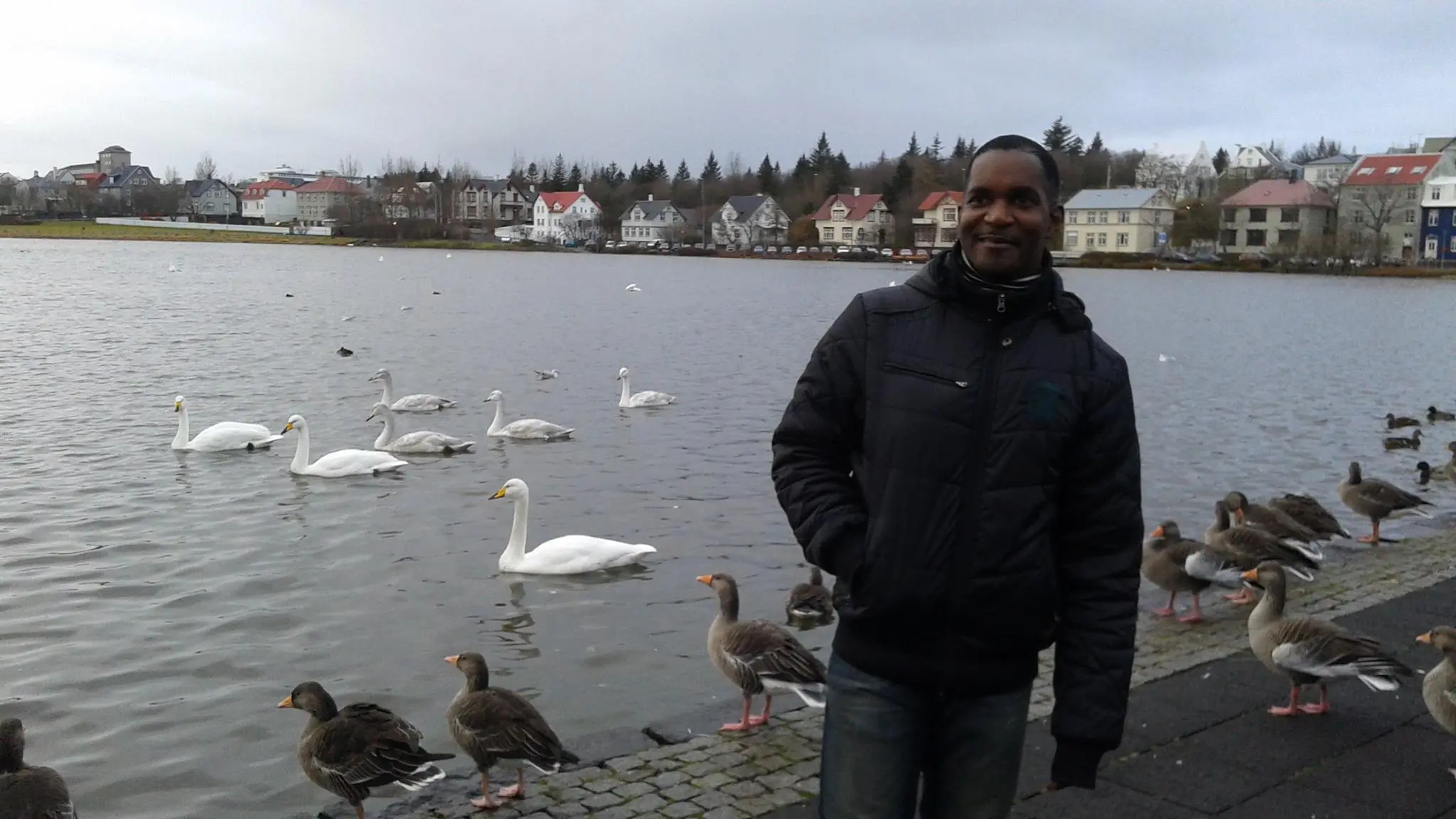
Reykjavik, Iceland (2016).
14. Finally, what do you hope others take away from your story?
Perseverance is the key to achieving your goals. Although it may take time to accomplish, with sometimes discouraging situations along the way, keeping laser focused on the end result will get you there eventually. Some individuals have managed to visit every country in the world in a remarkably short period (e.g. within 1 or 2 years) and are much younger than I am. However, although it took me 15 years to accomplish my goal, as the saying goes, the race is not necessarily for the fastest but for who can make it to the finish line.
Quick Takes
Most breathtaking landscape:
San Marino
Country with the best food:
Tie between Trinidad and Tobago and Jamaica. The doubles (curried chickpeas between two fried flatbreads) and roti in Trinidad and Tobago are the best, as well as the jerk chicken in Jamaica.
Hidden gem you think everyone should visit:
Andorra and San Marino
A travel essential you never leave home without:
I always travel with a zip-lock bag full of medicine for emergencies (it’s not fun being sick in a country with little access to a pharmacy or hospital)
Window or aisle seat:
Definitely window (preferably business class) 😊
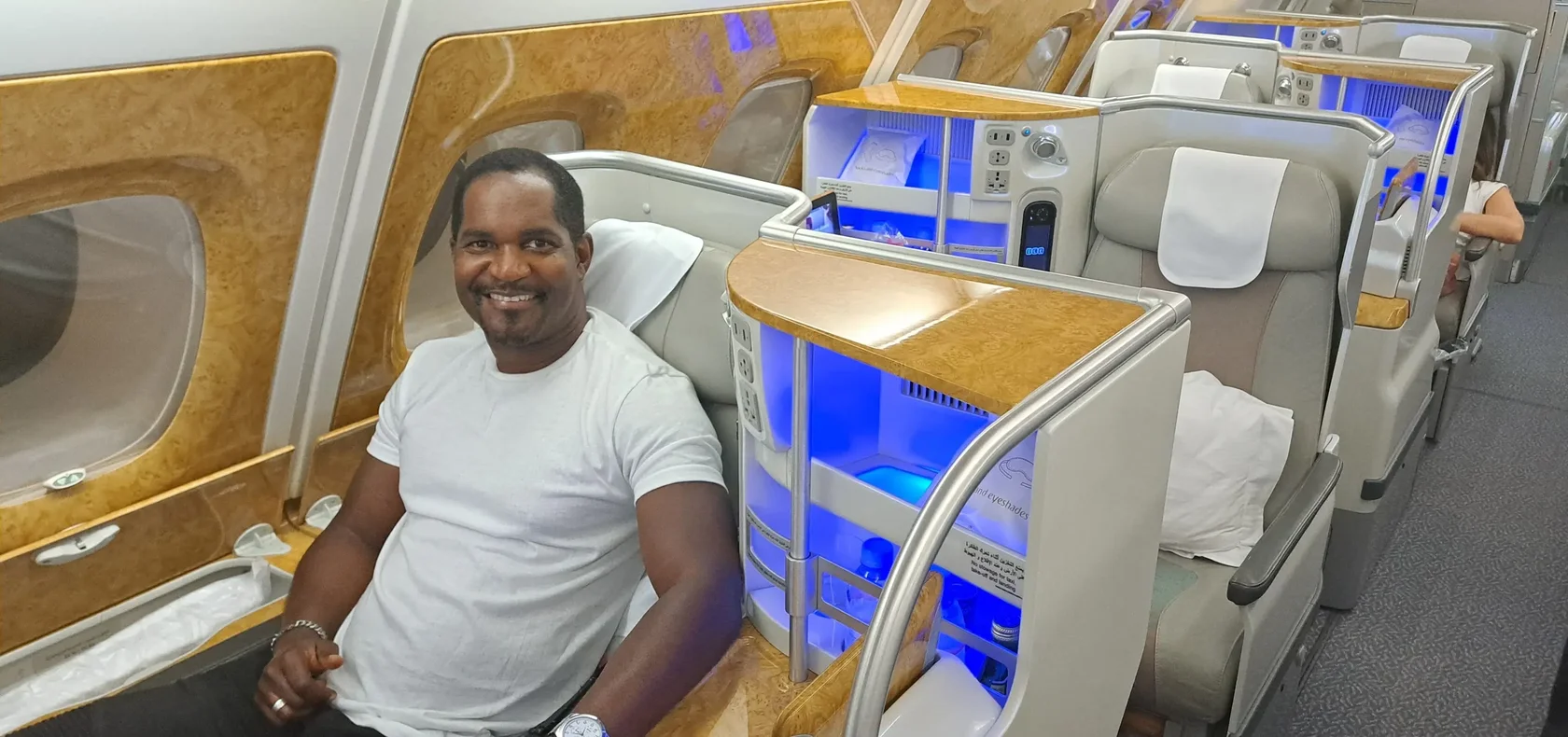
Business Class Window on Emirates A380.